Each design is evaluated across a set of performance metrics that reveal how places function socially, spatially, and over time.
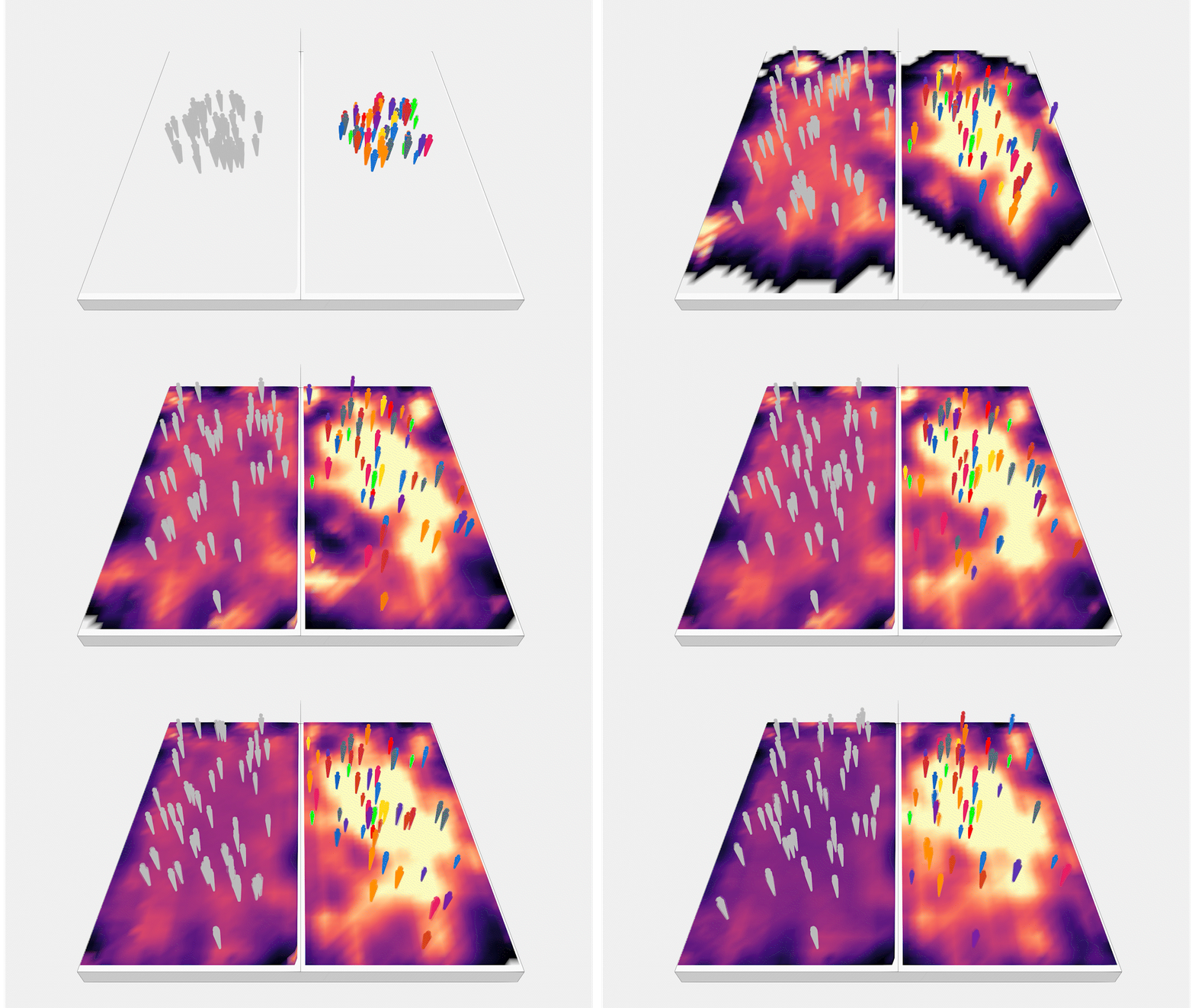
Social Vibrancy +
Innovation Potential
The degree to which a place enables frequent and meaningful human interaction throughout the day and the potential demographic mix.
An in-depth analysis of how people use space, revealing patterns of vibrancy, social activation, and creative collisions.
The likelihood that a place enables “creative collisions” among people with diverse backgrounds and experiences.
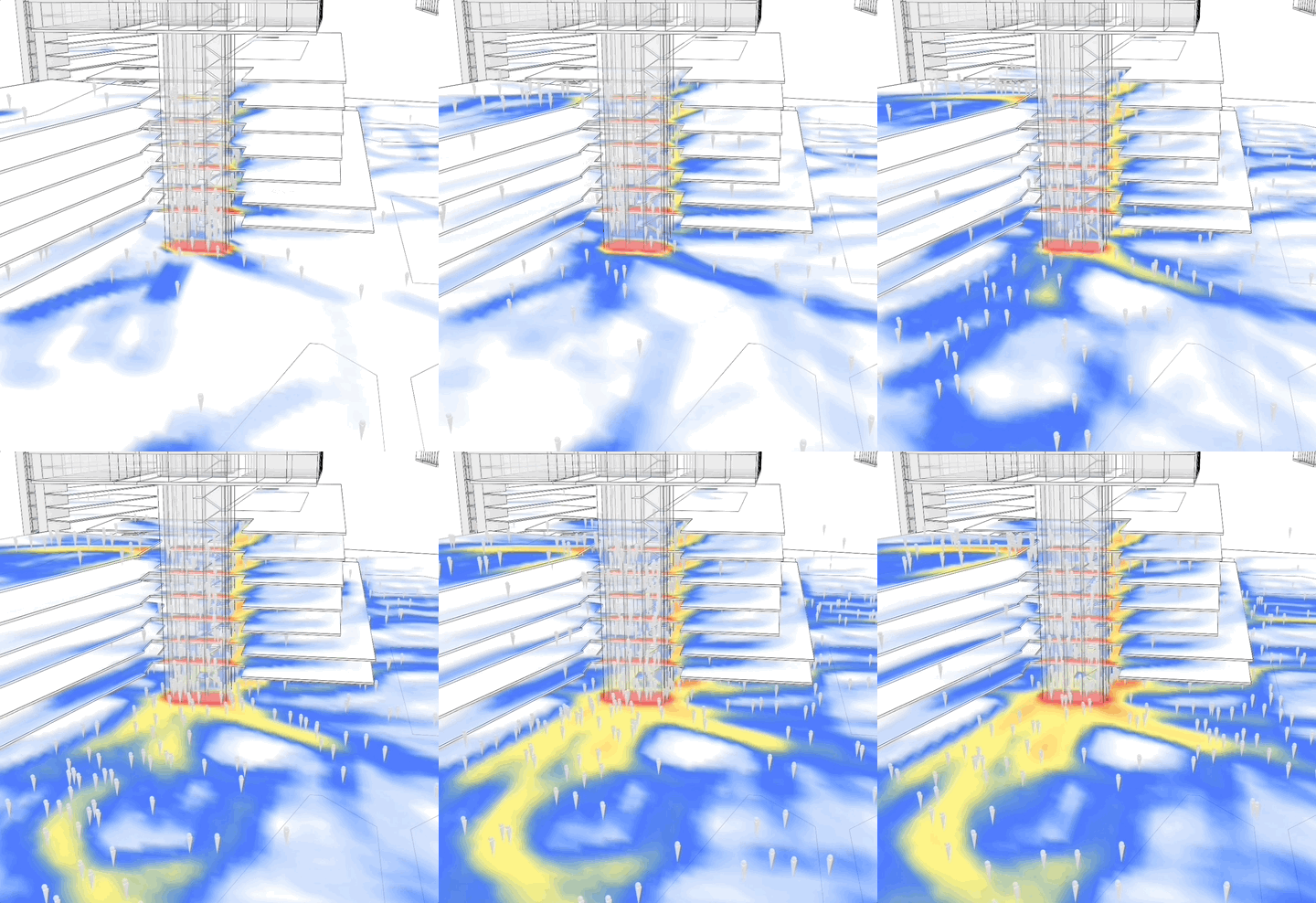
People Flow
How people with different profiles move through space and time, revealing patterns of footfall, congestion, underutilization, and mobility barriers.
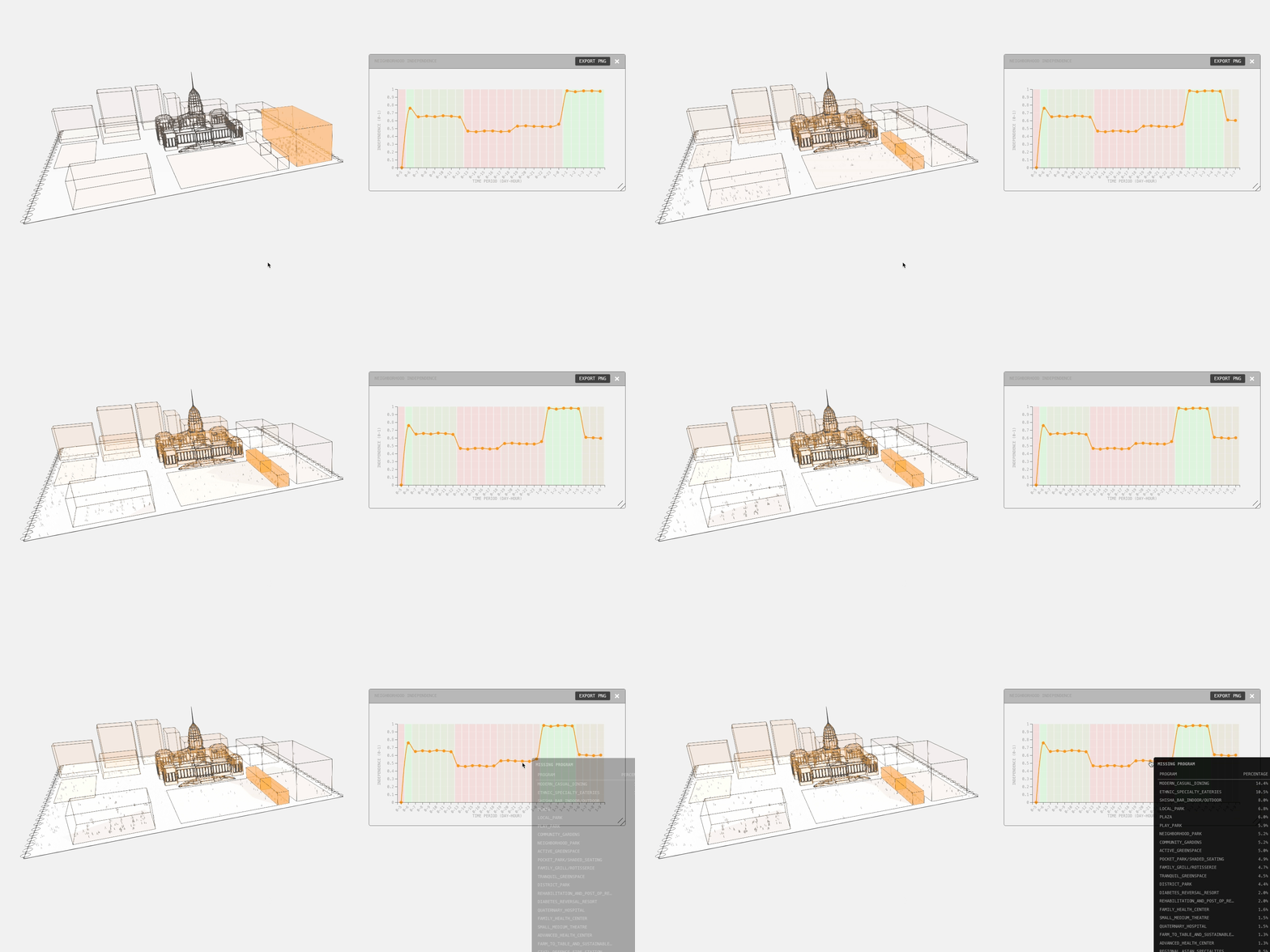
Program Access
Access to the essential amenities and services of daily life.
An analysis of neighborhood accessibility that models residents’ proximity to essential amenities and services, highlighting gaps and opportunities for improvement.
(Left) Concentration of activity in a neighborhood over time.
(Right) Percentage of people who leave the neighborhood over time to access amenities.
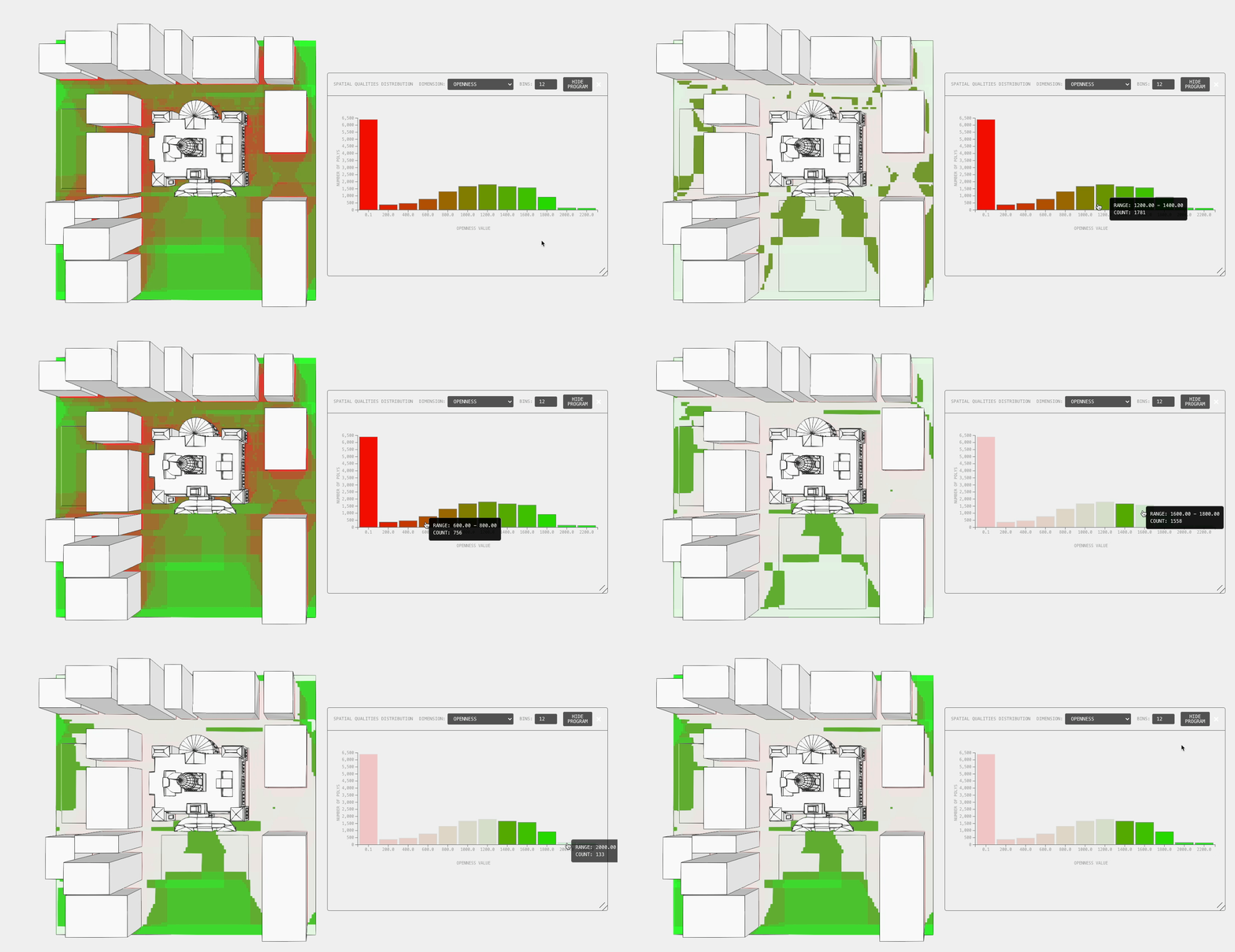
Spatial Quality
Measures of openness, views, and other formal qualities that shape desirable experience.
An evaluation based on key spatial and environmental qualities such as spatial proportion, openness, programmatic adjacencies, access to green space, and view corridors.
[Left] Spatial analysis of openness.
[Right] Distribution of area based on openness.
Mobility Choices
How decisions are shaped by mobility pathways, systems, travel time, trip purpose, and preferences.
Example of Vertical Mobility
How people of different abilities decide between stairs, ramps, escalators, and elevators, and how this impacts the performance of a design.